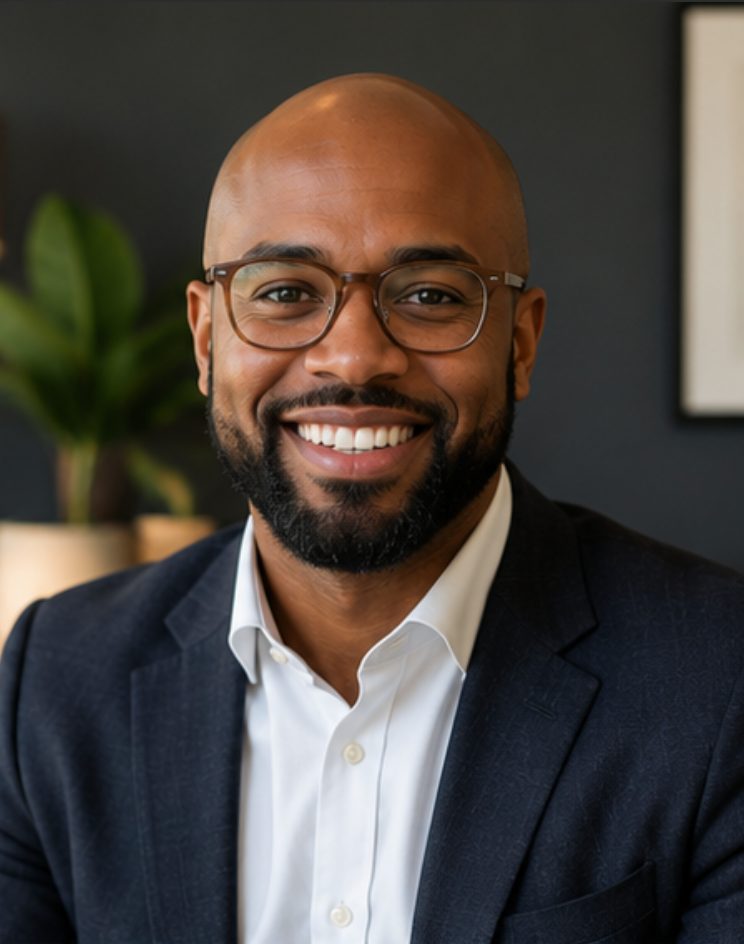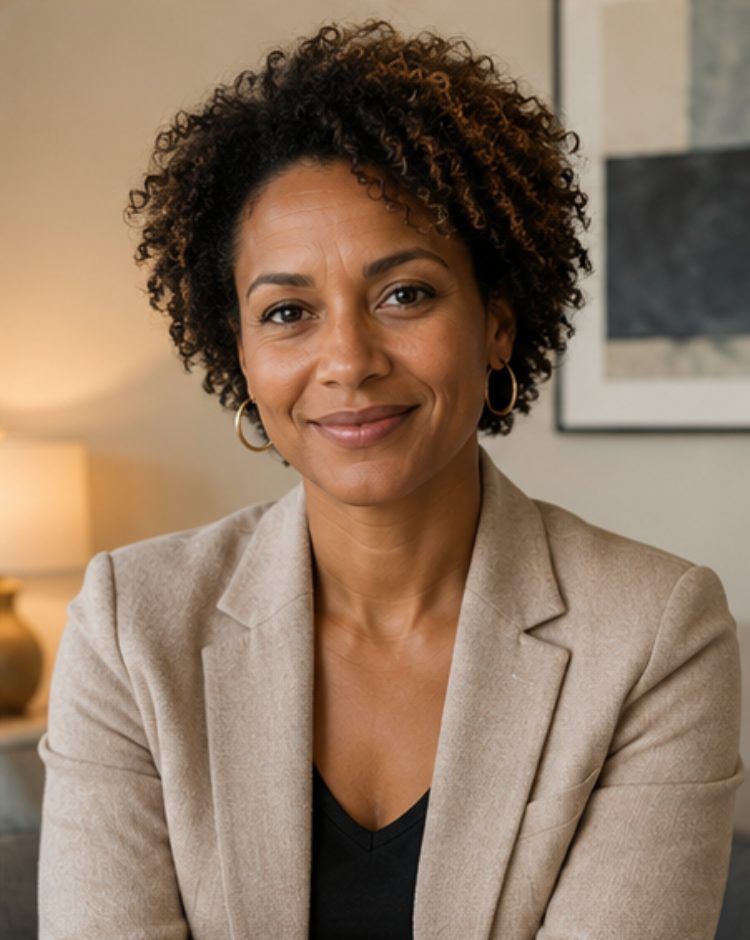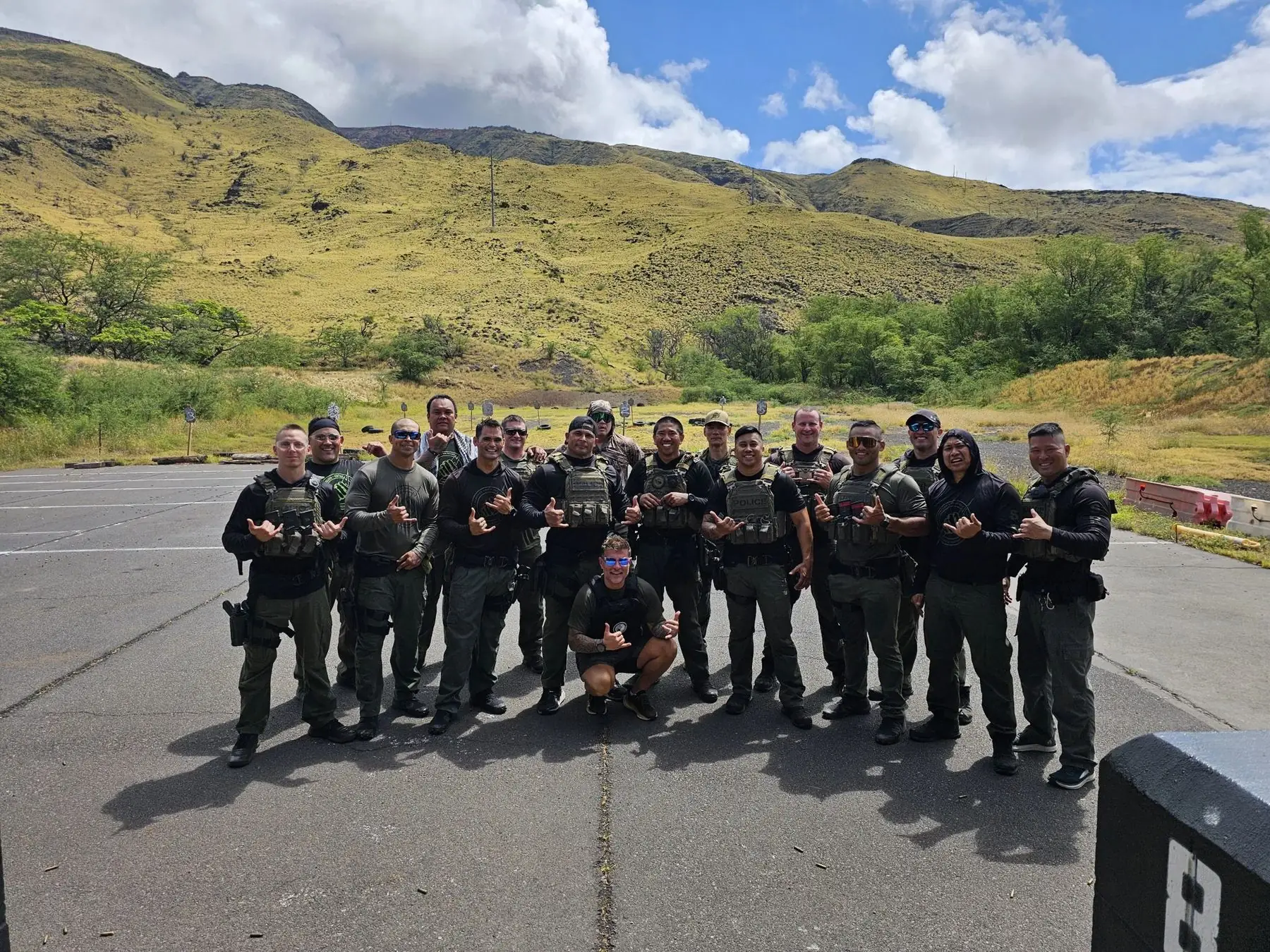
Career development & coaching is how top performers in sport and business move from good to great. Aptitude brings that same discipline to public safety—raising morale, strengthening commitment, and stabilizing your workforce.
Agency Loyalty
+
76%
Improved Morale
+
64%
Employee Satisfaction
+
93%

Aptitude is a performance coaching platform that develops your people at scale—driving stronger performance, higher retention, and a more resilient workforce.

Private virtual coaching connects officers with vetted external coaches—matched by role and goals—driving higher trust, utilization, and impact than in-house programs.


Connect with coaches who specialize in leadership, communication, stress & resilience, early-tenure ramp, field training success, promotion prep, transition planning, and more.


Aptitude provides data that signals staffing stability by tracking how connected employees are to the mission, how committed they are to staying, how much confidence they have in leadership, and whether they would recommend the agency as a place to work.


Aptitude coaches bring experience from the FBI National Academy, ICF-certified coaching, and decades across patrol, investigations, supervision, and command. With breadth across backgrounds and identities, there’s a coach for everyone.


Leaders see program impact, not private session content. Integrated interfaces in Strata tie coaching activity to retention, performance, and early-tenure risk, enabling proactive staffing decisions and measurable ROI.

Coaching is structured, confidential, one-on-one development support for sworn and civilian personnel. It is not counseling and it is not discipline. Coaching focuses on performance, leadership growth, accountability, decision-making, communication, and professional development.
Through our Aptitude Talent Development Program, personnel receive access to external, professional coaches who help them:
For agencies, coaching supports:
In short, coaching helps good people become better — and helps agencies retain and develop their talent instead of reacting after problems occur.
If development were automatic, turnover wouldn’t happen, discipline wouldn’t trend upward, and early-career attrition wouldn’t be common.
Most professionals want to grow. Very few have structured support, external accountability, and objective feedback to do it consistently. Left entirely on their own, development becomes reactive — usually triggered by a problem rather than pursued proactively.
This is not about self-help. It is about performance infrastructure.
As an agency leader, you should care because organizational health directly affects:
You invest heavily in recruiting and training. Coaching protects that investment by strengthening the people you already have.
When supervisors communicate clearly, coach effectively, and lead consistently, performance stabilizes. When development is inconsistent, you absorb the cost through churn, overtime, internal conflict, and reactive management.
This is not a perk. It is a lever for operational stability.
Employees can “try to improve” on their own. But agencies that build structured development into their culture see stronger retention, clearer standards, and fewer preventable problems over time.
That is why it matters at the leadership level.
Wellness and mentoring programs are valuable — but they serve different purposes.
Wellness programs typically focus on mental health support, resilience, and crisis response.
Mentoring programs pair junior personnel with more experienced members for informal guidance and cultural integration.
Coaching is different.
Coaching is structured, performance-focused, and delivered by trained external professionals. It is designed to improve decision-making, communication, accountability, leadership capability, and career development — not just provide support.
Key differences:
Mentoring helps someone learn the culture.
Wellness helps someone manage stress.
Coaching helps someone perform at a higher level.
Agencies that integrate coaching alongside wellness and mentoring see stronger retention, fewer avoidable discipline issues, and more consistent leadership development over time.
Our coaches are vetted, professional executive and performance coaches with experience working in high-accountability environments — including public safety, military, and government sectors.
They are certified through Performance Protocol’s coaching training program, which is led by former Directors and instructors of the FBI National Academy and supported by ICF-accredited coaching professionals. This ensures coaches understand both leadership science and the operational realities of public safety.
Each coach:
Coaches are not part of your chain of command. They are matched to participants based on role and development goals, providing objective, performance-focused support.
This structure allows personnel to speak candidly while strengthening accountability, communication, leadership capability, and career direction.
The objective is measurable professional growth — not therapy and not internal supervision.
It depends on the needs of the individual and the recommendation of the coach.
Some participants meet weekly. Others may meet bi-weekly. In some cases, personnel engage for only a few focused sessions per year around a specific transition or leadership challenge.
Sessions are always 60 minutes.
The goal is not to maximize session frequency or to focus on usage. The goal is measurable outcomes — improved performance, stronger leadership capability, clearer decision-making, and better retention stability.
Coaches will often assign structured “homework” between sessions. This may include leadership exercises, communication strategies, feedback implementation, or behavioral commitments designed to create real-world results.
Progress is driven by accountability and applied learning — not just meeting cadence.
Coaching conversations focus on professional performance and leadership development.
Common topics include:
The discussion is driven by the participant’s goals and operational realities. Coaches help individuals identify blind spots, clarify priorities, and implement practical strategies.
This is not therapy, and it is not a grievance channel. It is structured professional development aimed at improving performance, accountability, and long-term retention.
Conversations are confidential within established parameters, which allows participants to speak candidly and focus on growth.
Yes — and leadership participation is essential.
Coaching is most effective when supervisors and command staff lead by example. If development is positioned as something only junior personnel need, it loses credibility. Strong agencies adopt a “no rules for thee and not for me” mindset — meaning leaders also commit to growth, feedback, and accountability.
When chiefs, captains, and supervisors engage in coaching themselves, it signals that development is a professional standard, not a corrective measure.
For individual participants, the process may include structured colleague and supervisor input — similar to a 360 review. This feedback is confidential and shared only between the participant and their coach. It serves as a springboard for development conversations, helping identify blind spots, strengths, and growth opportunities.
Leadership does not receive private session details. The coaching relationship remains confidential. What leadership can influence is culture — by participating, reinforcing accountability, and modeling continuous improvement.
When leaders engage fully, coaching becomes embedded into the agency’s professional standard rather than viewed as an optional benefit.
Yes.
What is discussed in coaching sessions is confidential between the participant and the coach. Session content, personal disclosures, and individual development conversations are not shared with supervisors or command staff.
What leadership does see is aggregate, anonymized data — never individual session details.
Agencies receive trend-level insights such as:
This last metric is commonly referred to as eNPS (Employee Net Promoter Score). It measures whether employees would recommend the organization to a friend or colleague — a strong indicator of organizational health and retention stability.
Individual privacy is protected. Organizational insight is preserved.
This balance allows employees to speak candidly while leadership gains meaningful visibility into overall workforce sentiment and risk trends.
Agencies that implement coaching as part of their professional development strategy typically see measurable improvements in leadership consistency, morale, and retention stability.
At the individual level, you can expect:
At the organizational level, coaching often leads to:
Coaching is not a perk. It is a structured performance tool.
When implemented consistently — especially with leadership participation — it strengthens culture, reduces preventable churn, and supports long-term staffing stability.
We do not recommend a limited pilot or small subset rollout.
Coaching drives meaningful impact when it is positioned as a professional standard — not a special program for a few individuals. If only a handful of employees “dip their toe in the water,” the cultural signal is weak and the organizational impact is minimal.
Performance, retention, morale, and leadership consistency are systemic issues. Addressing them requires scale and leadership participation.
When coaching is broadly available and leaders participate alongside their teams, it becomes embedded in the agency’s development culture. That is when you see measurable improvements in retention stability, supervisory effectiveness, and overall organizational health.
Limited participation rarely moves the needle. Structured, agencywide commitment does.
Low engagement usually has predictable causes. Most programs fail because:
Here’s what’s different with Aptitude:
This is not an app. It is not passive. And it is not a corrective program.
It is a structured career development standard embedded into the agency’s culture — which is why engagement sustains when implemented properly.
Engagement is not driven by availability. It is driven by positioning and leadership behavior.
When agencies take a “here you go, use it if you want” approach, participation is usually low. Optional, loosely positioned programs fade quickly. When coaching is established as a professional development standard — and leadership models participation — it gains credibility and traction.
The reality is most people want to improve. They want to be inspired to strive for greatness, to grow into stronger leaders, and to advance their careers. Coaching provides a structured outlet for that ambition.
You may not see the floodgates open on day one. Adoption can build gradually. But you never know when an officer preparing for promotion, a new supervisor navigating transition, or a seasoned leader facing a complex challenge will take advantage of the opportunity.
When positioned correctly, engagement becomes steady and sustainable — not forced, but earned.